

Many people believe that one human year equals seven dog years, but this is not entirely accurate.
Dogs mature much faster in their early years, and ageing depends on breed size, genetics, and lifestyle.
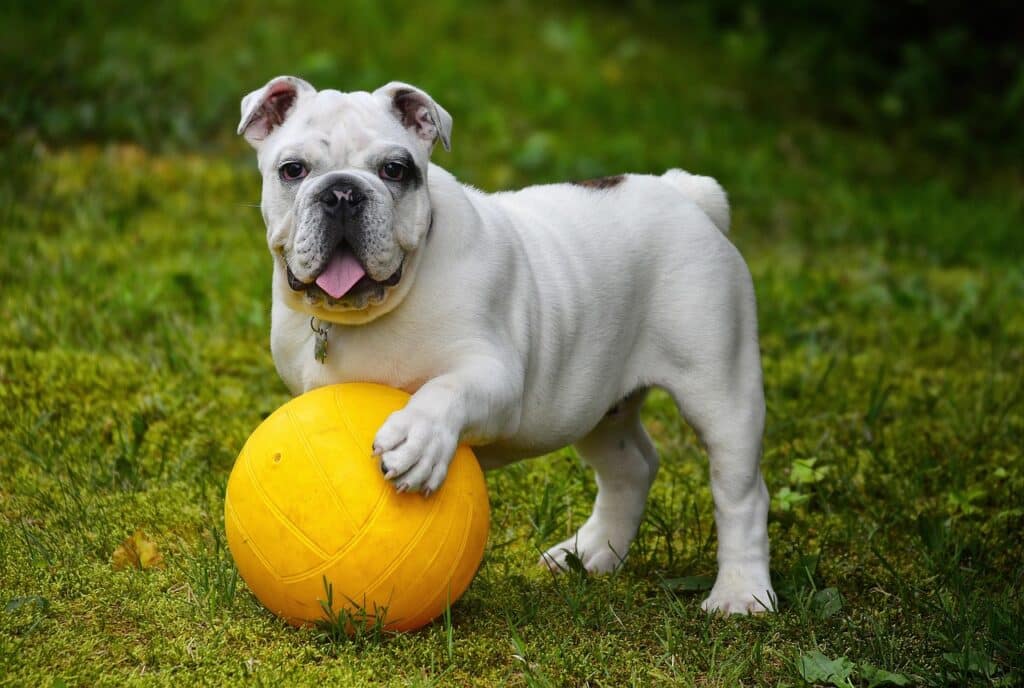
1. The Modern Formula for Dog Years
Veterinarians now use a more accurate formula:
Dog Age in Human Years = 16 × ln(dog age) + 31
This means:
- The first year of a dog’s life = around 15 human years
- The second year = about 9 human years
- Each following year = 4–5 human years depending on size
2. Puppy Stage (0–1 Year)
Dogs grow extremely fast during their first year.
By Year 1, most dogs are equivalent to a 15-year-old human teenager.
3. Young Adult Stage (1–2 Years)
Dogs continue to grow physically and mentally.
Year 2 = around 24 human years.
4. Adult Stage (2–7 Years)
The ageing speed slows down.
Each year adds 4–5 human years depending on breed.
5. Breed Size Matters
Small dogs live longer; large dogs age faster.
Small Breeds (Chihuahua, Pug, Dachshund)
- Age slower
- Can live 14–18 years
Medium Breeds (Beagle, Cocker Spaniel)
- Moderate ageing
- Life expectancy 12–15 years
Large Breeds (Labrador, German Shepherd)
- Age faster
- Life expectancy 10–13 years
Giant Breeds (Great Dane, Mastiff)
- Fastest ageing
- Life expectancy 7–10 years
6. Health, Diet, and Lifestyle Impact Ageing
Dogs who:
- Eat balanced food
- Get proper exercise
- Get routine vet checkups
- Live stress-free
…age more slowly and live longer.
FAQs
- Is 1 dog year equal to 7 human years?
No, this is a myth. Dogs age faster early in life and slower later on.
- How old is my dog in human years?
- 1-year-old dog = ~15 human years
- 2-year-old = ~24 human years
- Every year after = add 4–5 years
- Do small dogs live longer?
Yes. Smaller breeds have slower ageing and longer lifespans.
- Can diet affect how fast a dog ages?
Absolutely. Healthy, nutritious food increases lifespan significantly.
- Do mixed-breed dogs live longer?
Generally yes, due to better genetic diversity and lower risk of hereditary diseases.